

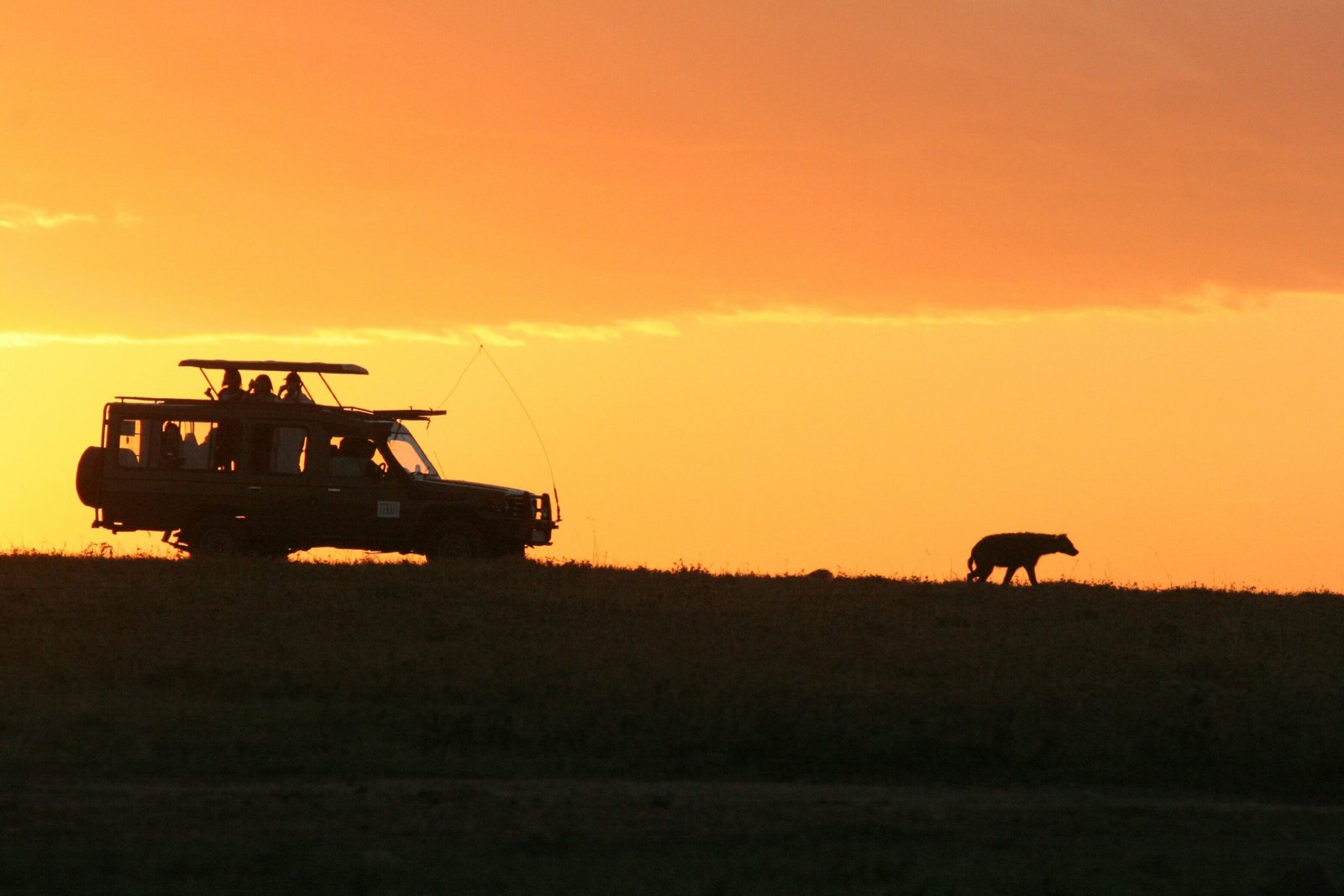
Wildlife You’ll See on a 12 Day Kenya Tanzania Safari
One of the biggest advantages of a 12 day Kenya Tanzania safari is wildlife diversity.
Unlike shorter itineraries that focus only on major highlights, a 12 days Kenya and Tanzania safari allows you to explore multiple ecosystems — dramatically increasing the variety of species you may encounter.
From the Big Five to the Great Wildebeest Migration, extended safaris offer deeper wildlife immersion across East Africa’s most iconic parks.
Here’s what you can realistically expect to see.
The Big Five on a 12 Days Kenya and Tanzania Safari
The Big Five — lion, leopard, elephant, buffalo, and rhino — are among the most sought-after sightings.
A 12 day Kenya Tanzania safari itinerary significantly improves your chances of seeing all five.
Lions
Commonly seen in:
-
Masai Mara
-
Serengeti National Park
-
Ngorongoro Crater
Extended time in Serengeti increases opportunities to observe pride dynamics and even hunting behavior.
Leopards
Often spotted in:
-
Mara riverine forests
-
Central Serengeti kopjes
Leopards require patience. A 12 days Kenya and Tanzania safari gives guides more time to track them properly.
Elephants
Large elephant herds are common in:
-
Amboseli National Park
-
Serengeti
-
Tarangire National Park
Amboseli, in particular, is famous for elephants with Mount Kilimanjaro backdrop — often included in a Kenya Tanzania extended safari.
Buffalo
Widely distributed across all major parks, especially Ngorongoro Crater.
Rhino
Black rhinos are best seen in:
-
Ngorongoro Crater
-
Lake Nakuru National Park
Including these parks in a 12 day Kenya Tanzania safari dramatically increases rhino sighting probability.
The Great Wildebeest Migration
The Great Migration is one of the world’s most spectacular wildlife events.
A 12 day Kenya Tanzania migration safari allows flexibility to follow herd movements between:
-
Masai Mara (July–September river crossings)
-
Northern Serengeti (June–October)
-
Southern Serengeti (January–March calving season)
Because migration timing shifts annually, extended itineraries improve positioning opportunities.
Shorter safaris can miss key movements — longer ones adapt.
Predator Action & Big Cats
Extended time in Serengeti and Mara improves predator sightings.
On a 12 day Kenya and Tanzania safari, you may observe:
Lion pride interactions
Cheetah hunts on open plains
Leopard tree sightings
Hyena clan behavior
Wild dog (rare but possible)
Big cat activity often peaks at sunrise and sunset — longer safaris allow more golden-hour opportunities.
Ngorongoro Crater Wildlife Concentration
Ngorongoro Crater is unique.
Within a compact volcanic caldera, you can find:
-
Lions
-
Elephants
-
Rhinos
-
Hippos
-
Flamingos
-
Zebra
-
Wildebeest
A 12 day Kenya Tanzania safari itinerary typically includes a full crater descent, offering one of the densest wildlife experiences in Africa.
Birdlife on a 12 Day Safari
East Africa hosts over 500 bird species.
Bird highlights include:
-
Secretary birds
-
Lilac-breasted rollers
-
Crowned cranes
-
Flamingos (seasonal lakes)
-
Martial eagles
For bird enthusiasts, a 12 days Kenya and Tanzania safari offers exceptional diversity due to ecosystem variation.
Unique Ecosystems Covered in 12 Days
One of the greatest strengths of a Kenya Tanzania extended safari is ecosystem diversity.
You may explore:
Savannah grasslands (Mara & Serengeti)
Volcanic crater landscapes (Ngorongoro)
Soda lakes (Nakuru)
Kilimanjaro foothills (Amboseli)
Baobab forests (Tarangire)
Each ecosystem supports different wildlife patterns.
More ecosystems = broader species exposure.
Seasonal Wildlife Highlights
January–March:
-
Calving season in southern Serengeti
-
Increased predator activity
June–October:
-
Dry season
-
Best wildlife visibility
-
Mara River crossings
November–December:
-
Short rains
-
Migratory bird arrivals
A 12 day Kenya Tanzania safari itinerary can be adjusted seasonally to maximize wildlife success.
How 12 Days Improves Wildlife Probability
Nature is unpredictable.
But time increases odds.
A 12 days Kenya and Tanzania safari allows:
Revisiting productive game drive areas
Tracking elusive predators
Waiting at river crossing points
Exploring multiple Serengeti sectors
Covering more habitats
This is why photographers and serious wildlife travelers often prefer longer itineraries.
Photography Advantages of a 12 Day Safari
Extended stays allow:
-
Repeated golden-hour sessions
-
Varied landscapes
-
Predator behavioral observation
-
Patience at sightings
-
Less rushed composition
For wildlife photography, a 12 day Kenya Tanzania safari offers significantly better output potential than shorter trips.
Why Wildlife Diversity Makes 12 Days Worth It
When you combine:
-
Masai Mara
-
Serengeti National Park
-
Ngorongoro Crater
-
Optional Amboseli or Tarangire
You create one of the richest wildlife experiences on the continent.
Few itineraries match the ecological depth of a well-designed 12 days Kenya and Tanzania safari.
Why Book Your Wildlife-Focused 12 Day Safari with Wildbud Safaris?
Wildbud Safaris designs cross-border itineraries based on:
Seasonal migration patterns
Predator movement knowledge
Park entry timing strategy
Flexible routing
Private guiding
Our focus is maximizing wildlife encounters throughout your 12 day Kenya Tanzania safari itinerary.
Faqs- Wildlife You’ll See on a 12 Day Kenya Tanzania Safari
What wildlife can I see on a 12 days Kenya and Tanzania safari?
You can expect the Big Five, the Great Migration (seasonal), predators, elephants, and diverse birdlife.
Is 12 days enough to see the Big Five?
Yes. Extended time significantly improves sighting probability.
Does migration occur year-round?
Yes, but its location shifts between Serengeti and Masai Mara depending on season.
Is Ngorongoro Crater included in most 12 day safaris?
Yes, most 12 day Kenya Tanzania safari itineraries include a crater descent.
Is a longer safari better for photographers?
Yes. Extended time allows better light conditions and repeated wildlife opportunities.

