
Masai Mara & Lake Nakuru Safari Photography Guide (4-Day Itinerary)
A Masai Mara & Lake Nakuru safari is one of the best photography-focused safari combinations in Kenya. In just four days, you’ll photograph dramatic big cat encounters on open savannahs and rare rhinos against scenic lake and forest backdrops.
A 4 days Masai Mara & Lake Nakuru safari offers photographers — both amateur and professional — the perfect balance of wildlife action, landscapes, and lighting conditions.
At Wildbud Safaris, we design safari itineraries that maximize golden-hour game drives and strategic positioning inside the parks.
Why This Safari Is Ideal for Photography
Photography success depends on three things: wildlife density, light, and access — and this itinerary delivers all three.
Open plains in Masai Mara = unobstructed shots
High predator activity = action photography
Lake Nakuru’s compact park = close wildlife encounters
Diverse landscapes = varied compositions
This makes a Masai Mara and Lake Nakuru safari one of Kenya’s most photogenic trips.
Best Photography Opportunities in Masai Mara
Big Cats in Action
Masai Mara is famous for dramatic predator encounters.
Best subjects:
-
Lions resting or hunting
-
Cheetahs sprinting on open plains
-
Leopards along riverine trees
Early morning and late afternoon drives offer the best light and activity.
Savannah Landscapes & Wildlife Scenes
-
Golden grasslands
-
Acacia-dotted plains
-
Herds of zebras and wildebeest
-
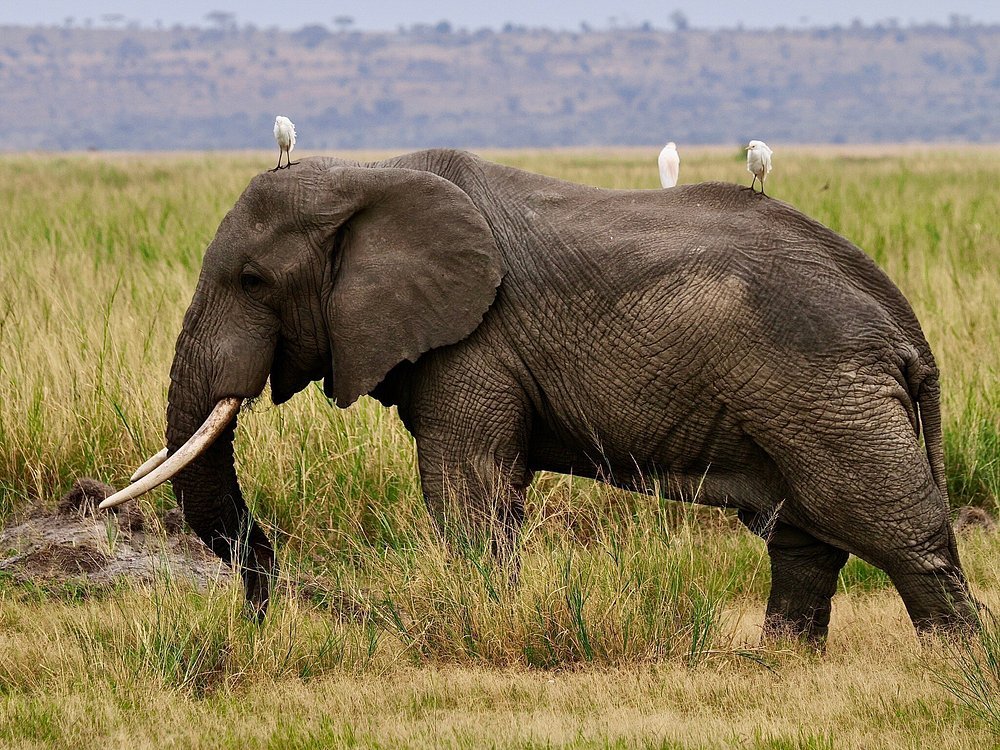
Elephants against dramatic skies
During the Great Migration (July–October), photography opportunities multiply dramatically.
Best Photography Opportunities in Lake Nakuru
Rhino Photography
Lake Nakuru is one of the best places in Kenya to photograph rhinos.
Why it’s special:
Close-range sightings
Forest and lake backgrounds
Fewer vehicles compared to larger parks
Bird & Landscape Photography
Lake Nakuru offers:
-
Flamingos (seasonal)
-
Pelicans and water birds
-
Scenic viewpoints overlooking the lake
This contrast adds variety to your Kenya safari photography portfolio.
Best Time of Day for Safari Photography
Timing is everything on safari.
Early Morning: Soft light, active wildlife
Late Afternoon: Golden-hour tones, dramatic shadows
Wildbud Safaris schedules game drives to align with these optimal times.
Best Time of Year for Photography
June – October: Clear skies, best wildlife visibility
January – March: Excellent light, fewer crowds
Both seasons are ideal for a 4 days Masai Mara & Lake Nakuru safari focused on photography.
Photography Tips for a Masai Mara & Lake Nakuru Safari
Bring a zoom lens (200–400mm ideal)
Use fast shutter speeds for wildlife action
Shoot during golden hours
Keep gear dust-protected
Listen to your guide — they position vehicles for angles
Our guides are trained to assist photographers with positioning and timing.
Is This Safari Suitable for Amateur Photographers?
Absolutely.
You don’t need professional equipment to enjoy photography on a Masai Mara & Lake Nakuru safari. Even smartphones and entry-level cameras perform well due to close wildlife encounters and good light.
Why Photographers Choose Wildbud Safaris
Experienced photography-aware guides
Flexible game drive pacing
Strategic lodge locations
Small-group or private safaris
Deep local knowledge
We understand photography isn’t just about seeing animals — it’s about capturing moments.
FAQs – Safari Photography in Masai Mara & Lake Nakuru
Is this safari good for wildlife photography?
Yes — it’s one of the best short photography safaris in Kenya.
Do I need professional camera gear?
No. Good sightings and lighting make it beginner-friendly.
When is the Great Migration best for photos?
July to October in Masai Mara.
Can Wildbud Safaris customize photography-focused trips?
Yes. We tailor itineraries for photographers.
Will I get enough time during game drives?
Yes — drives are paced to allow quality photography.
)
&description=&image=https://wildbudsafaris.com/wp-content/uploads/2025/11/definitely-visit-for-5.jpg)